Microfiber cloths clean faster than cotton cloths because fibres finer than 1 denier (under 10 micrometres) trap dust, grease and moisture in a single pass. Users who search for ways to clean faster with microfiber cloths need a method for dusting, wiping, polishing and washing. This guide presents that method in seven steps.
The seven steps cover one cloth per zone, dry-then-damp dusting, quarter folding, streak-free polishing, residue softening, cloth placement and washing at 30°C to 40°C.
Why do microfiber cloths clean faster than cotton cloths?
Microfiber cloths clean faster because polyester and polyamide fibres thinner than 1 denier create a large surface area. The split fibres lift dust and grease from a surface, while cotton fibres push particles across it.
Cotton fibres measure 12 to 20 micrometres in diameter, and microfibre strands measure under 10 micrometres. The finer strands reach into the texture of shelves, screens, steel taps and glass. The dense structure holds moisture, so one pass leaves a dry, polished surface.
The table below summarises the seven steps.
| Step | Task | Cloth state | Result |
|---|---|---|---|
| 1. One cloth per zone | Kitchen, bathroom, dusting | Dry or damp | Grease and residue stay in one zone |
| 2. Dust, then wipe | Shelves, screens, frames | Dry first, damp second | Dust collected, film removed |
| 3. Quarter fold | Any surface | Dry or damp | 8 clean working sections per cloth |
| 4. Polish | Glass, mirrors, steel | Barely damp, then dry | Streak-free shine |
| 5. Soften residue | Dried marks | Damp, 60-second rest | Residue lifts with light pressure |
| 6. Place cloths | Kitchen, bathroom, living room | Dry | Spills wiped within 1 minute |
| 7. Wash | All cloths | 30°C to 40°C | Fibres keep their absorbency |
1. How does one cloth per zone keep surfaces hygienic?
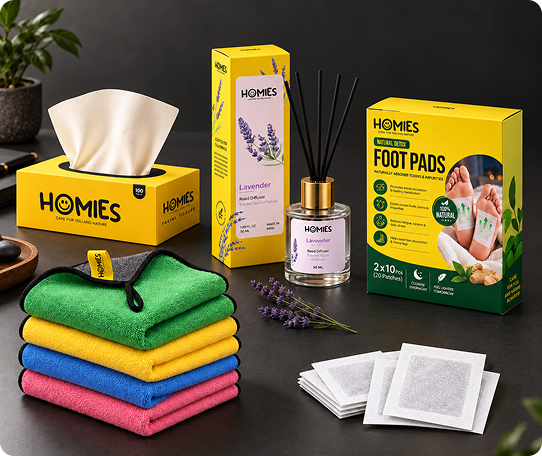
One cloth per zone limits the transfer of grease, food residue and bathroom germs between surfaces. Colour coding supports the system: green for the kitchen, yellow for the bathroom, blue for glass and grey for dusting.
The kitchen cloth wipes the hob, counters and the chopping board. The bathroom cloth wipes taps, tiles and mirrors. The dusting cloth handles shelves, frames and screens.
2. Why does dry dusting come before damp wiping?
Dry dusting collects loose particles first, and damp wiping removes the thin film that remains. A cloth wrung until no water drips delivers the correct moisture level.
Dry microfibre holds dust through fibre contact and static charge. A damp pass on shelves, screens and wooden furniture then lifts fingerprints and oil. Reversing the order turns loose dust into a streaky paste.
3. How does quarter folding extend the life of one cloth?
Quarter folding provides 8 clean working sections from 1 cloth. A cloth measuring 40 cm by 40 cm forms a 20 cm by 20 cm pad after two folds, and each section works until it looks dirty.
Turning to a fresh section keeps dirt off the surface. Three folded cloths cover a full kitchen clean: counters, hob and sink.
4. How does a cloth leave glass, mirrors and steel streak-free?
A barely damp cloth lifts marks, and a second dry cloth buffs the surface immediately. Straight, overlapping strokes show the cleaned area and prevent swirl patterns.
What is the quick kitchen routine?
A damp cloth wipes counters and the hob after cooking, and a dry cloth finishes the surface. The routine takes 1 minute and stops grease build-up.
5. How do dried marks lift from a surface?
A damp cloth laid over a dried mark for 60 seconds softens the residue, and one wipe removes it. Light pressure protects glossy finishes, stone and steel from scratches.
The image below shows a tissue box placed within reach in a living room, the same placement logic that applies to cleaning cloths.

6. Where do cloths belong for quick clean-ups?
Cloths belong in the kitchen drawer, the bathroom shelf and the living room cabinet, one in each location. A spill wiped within the first minute leaves less residue than a spill wiped hours later.
7. How do you wash microfiber cloths?
Microfiber cloths wash at 30°C to 40°C with a mild liquid detergent. Fabric softener coats the fibres and lowers absorbency, so mild detergent replaces it.
Cloths wash separately from cotton towels, because cotton sheds lint that clings to microfibre. Air drying or low-heat tumble drying completes the cycle.
Frequently asked questions
Do microfiber cloths work wet and dry?
Microfiber cloths work dry for dusting and damp for wiping. Glass and steel need a barely damp cloth followed by a dry cloth.
How often do microfiber cloths need washing?
Kitchen and bathroom cloths need washing after every use. Dusting cloths need washing once the cloth looks grey.
Why do microfiber cloths leave streaks?
Streaks come from an overly wet cloth, a dirty cloth or fabric softener residue. A clean, barely damp cloth followed by a dry cloth removes streaks.
How do you clean faster with microfiber cloths every day?
Clean faster with microfiber cloths by applying one rule per step: separate zones, dust dry, fold in quarters, polish in straight lines, rest the cloth on residue, store cloths near use and wash at 30°C to 40°C. The Homies microfiber cloths pack suits this routine, and the guide to choosing a chopping board covers the next kitchen surface.